 Ecomers
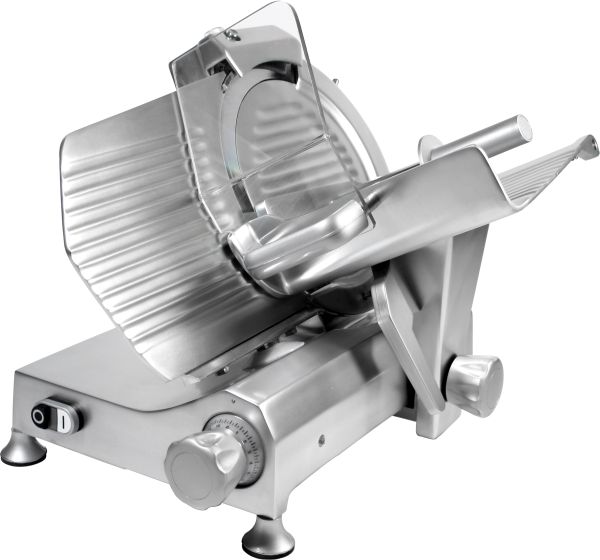
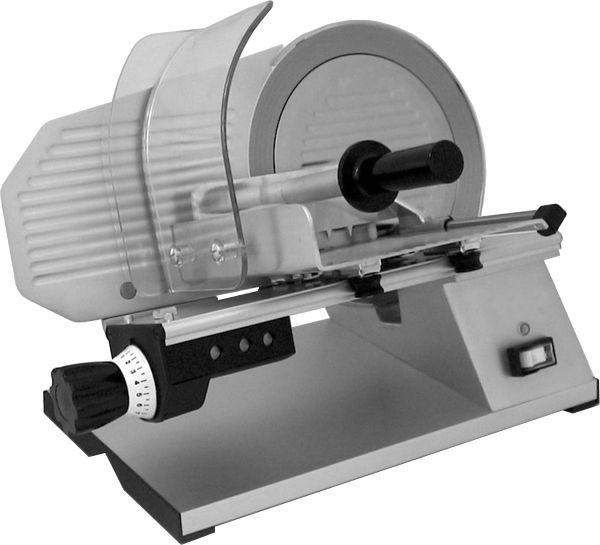
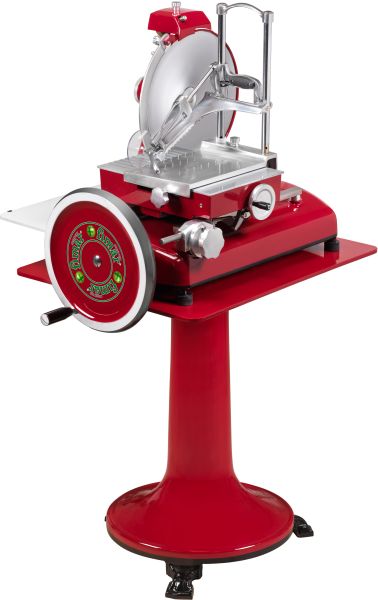
Krájajú kotúčovým nožom údeniny, syry, studené mäsa, zeleninu a pod. Hrúbku krájania je možné presne nastaviť. Rozlišujeme nárezové stroje ručné, poloautomatické a automatické. Ručné stroje nemajú motor, nôž roztáčame a potravinu krájame ručne. Poloautomatické nárezové stroje majú nôž poháňaný elektromotorom, ale všetky ostatné úkony sa robia manuálne. Automatické nárezové stroje po nastavení vykonávajú všetky úkony samé. Príprava v studenej kuchyni vyžaduje kvalitný a kapacitne dostačujúci nárezový stroj. Dôležitým parametrom nárezového stroja je priemer kotúča, od čoho priamo závisí veľkosť produktu, ktorý je možné na nárezovom stroji krájať. V gastronómii sa používajú nárezové stroje s priemerom kotúča od 220 mm do 375 mm. Nárezové stroje ďalej delíme podľa spôsobu pohonu kotúča na remeňové (prenos pohybu remeňovým prevodom) a šnekové (prenos pohonu ozubeným kolom). Remeňové nárezové stroje sú určené pre ľahšie zaťaženie, tzn. proces krájania je krátkodobý a prerušovaný. Šnekové nárezové stroje sú určené pre vyššiu záťaž a do väčších prevádzok. Nárezové stroje musia byť vybavené bezpečnostnými prvkami a krytmi. Väčšinou majú priamo v základnej výbave zariadenie na brúsenie krájacieho kotúča. Nárezové stroje pre veľké prevádzky (predajne mäsa a údenín) sa vyrábajú aj v automatickom prevedení. Tieto stroje po nastavení parametrov dokážu údeninu presne nakrájať a uložiť do komínkov, vejárikov a pod.
Show more